Engineering Design
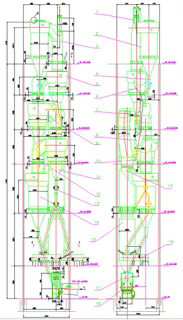
We deliver customized refractory and thermal designs for rotary kilns to ensure system fit and longevity.
MRL has supported the cement industry since 1924, evolving alongside the transition from traditional dry kilns and five-stage preheater systems to today’s alternative-fuel and low-carbon process technologies. We consistently deliver efficient, stable, and reliable refractory solutions that address alkali attack, thermal shock, and complex fuel environments—helping cement producers extend lining life, reduce maintenance needs, enhance thermal efficiency, and ensure safe and stable kiln operation.
We deliver customized refractory and thermal designs for rotary kilns to ensure system fit and longevity.
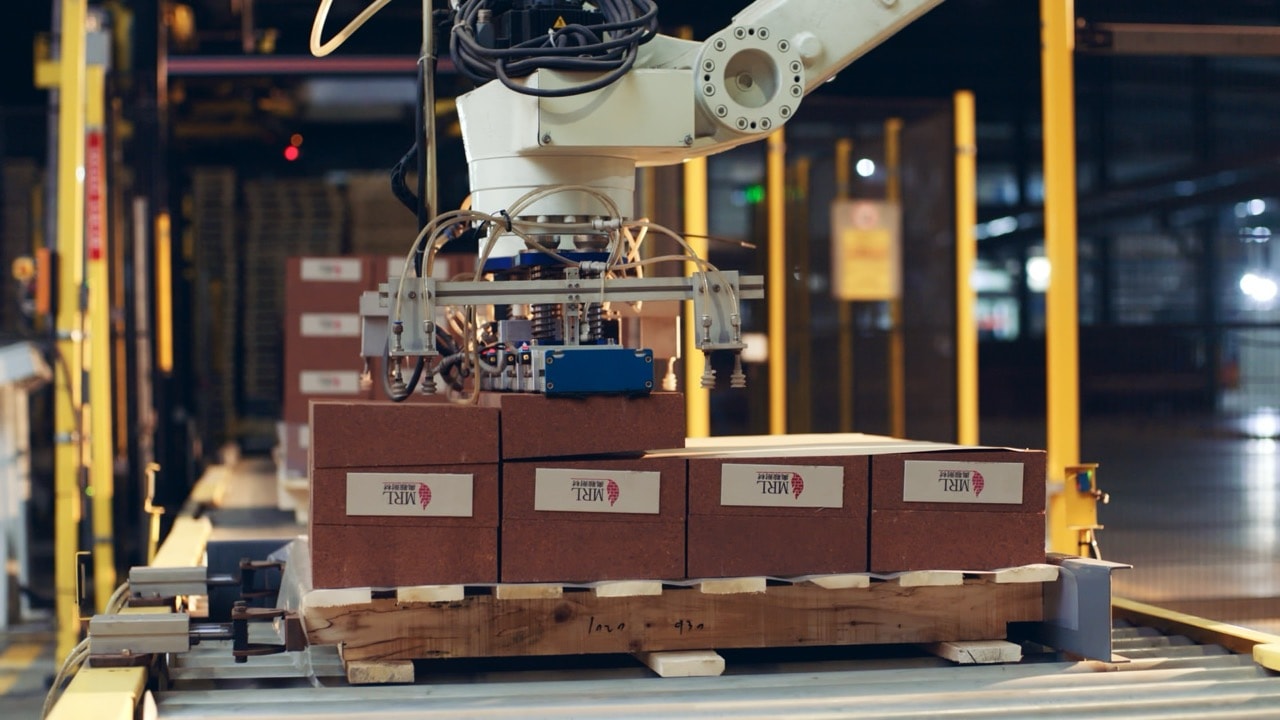
We offer a comprehensive portfolio of in-house developed refractory products, tailored for harsh kiln atmospheres.
We deliver standardized installation, on-site support, and remote guidance to ensure construction quality and efficiency.
We provide full-cycle technical support to extend lining life, enhance performance, and reduce downtime risk.
Refractory performance in cement rotary kilns relies on precise alignment between lining design and zone-specific operating conditions. Leveraging extensive engineering experience, MRL develops tailored refractory systems for critical high-temperature zones, enabling stable and efficient kiln operation while accomodating modern challenges such as alternative fuel utilization.
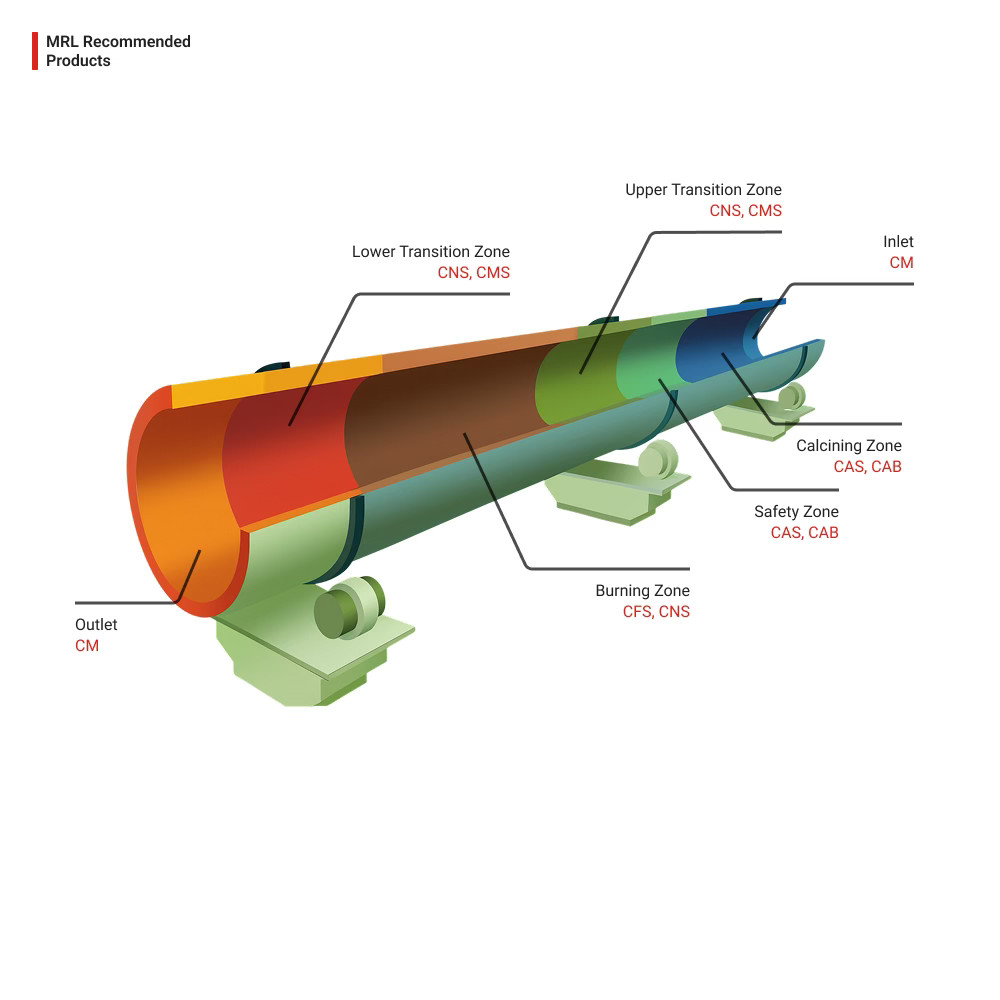
The upper and lower transition zones form the critical interface between the burning zone and the calcining zone in a cement rotary kiln. These zones act as thermal and mechanical buffers, accommodating sharp temperature gradients while ensuring smooth material flow and stable kiln operation. Their performance directly influences coating behavior, kiln stability, and the protection of adjacent zones.
Challenge
The upper and lower transition zones experience the most severe thermal load fluctuations in the kiln. They are continuously exposed to repeated abrasion from high-temperature material movement and hot gas flow, while also facing intense alkali attack caused by high chlorine and sulfur components introduced through alternative fuels. These combined effects can destabilize coating formation, leading to ring formation, surface spalling, or even brick twisting and detachment. In addition, mechanical stress concentrations around kiln tires introduce torque loads, further increasing the risk of structural failure in the lining.
Solution
To address these conditions, MRL integrates on-site thermal analysis with its material performance database and recommends the most suitable refractory selection from our CNS Series or CMS Series. CNS bricks provide excellent high-temperature flexibility, strong chemical resistance, and superior coating affinity—particularly effective under high-chlorine and high-sulfur fuel conditions—significantly improving coating stability. CMS bricks offer proven thermal shock resistance and mechanical resilience, making them well suited for tire sections and other stress-concentrated areas. Through optimized material selection and structural design, MRL’s tailored solutions effectively extends the service life of transition zones and reduces the risk of unplanned maintenance.
Based on service conditions, MRL selects different grades and formulations even within the same series to ensure optimal performance by zone. Custom solutions are available—contact us for tailored support.
The burning zone is the core reaction area of the cement rotary kiln, where clinker mineral phases are fully formed. It operates at the highest temperatures in the kiln and accommodates the most active liquid phase, directly governing clinker quality, kiln throughput, and overall process stability.
Challenge
The burning zone is subjected to the highest thermal load, with operating temperatures long exceeding 1400 °C. Fluctuations in fuel calorific value—particularly under high alternative fuel usage—often trigger cyclic coating spalling and rebuilding. As a result, the refractory lining is repeatedly exposed to high-temperature liquid phases and alkaline vapors, making it highly susceptible to overheating erosion, slag attack, and local melting damage.
Solution
For the burning zone, MRL provides a tailored refractory selection primarily centered on the CFS Series or CNS Series, depending on specific kiln conditions. The CFS Series offers excellent high-temperature mechanical flexibility and strong coating adaptability, performing exceptionally well under thermal fatigue conditions and resisting sudden shocks caused by coating spalling. For harsher conditions involving more aggressive liquid-phase corrosion and higher concentrations of chlorine and sulfur, the CNS Series is recommended. Its superior coating adherence helps stabilize the coating layer and significantly extend refractory service life. With optimized material selection, customers can achieve longer campaign life in the burning zone while reducing kiln shutdown frequency.
Based on service conditions, MRL selects different grades and formulations even within the same series to ensure optimal performance by zone. Custom solutions are available—contact us for tailored support.
The safety zone is positioned between the upper transition zone and the calcining zone, acting as a buffer section that protects downstream kiln areas from thermal, chemical, and structural disturbances. Its stability is critical to preventing lining failure from propagating along the kiln shell.
Challenge
Frequent fluctuations in temperature and atmosphere expose the safety zone to chlorides, alkaline dust, and hot flue gases introduced by alternative fuels. These conditions can lead to brick loosening, spalling, and accelerated structural degradation. Once lining failure occurs in this zone, damage can easily spread to adjacent kiln sections, significantly increasing the risk of unplanned shutdowns.
Solution
To cope with these complex operating conditions, MRL provides a versatile material configuration involving the CAS, CAS-S, and/or CAS-L Series. CAS bricks provide high density, strong wear resistance, and reliable thermal shock performance to maintain structural integrity. CAS-S bricks, enhanced with andalusite, offer improved creep resistance and superior resistance to both acidic and alkaline corrosion, making them well suited for zones with frequent thermal fluctuation. CAS-L bricks further enhance insulation performance, helping reduce shell temperature and minimize heat loss. In areas subject to severe alkaline dust attack, CAB Series high-alumina or fireclay bricks can be selectively applied to further improve alkali resistance and spalling control, extending lining life and reducing operational risk.
Based on service conditions, MRL selects different grades and formulations even within the same series to ensure optimal performance by zone. Custom solutions are available—contact us for tailored support.
The calcining zone is a key section for material heating and carbonate decomposition, where thermal conditions, kiln shell deformation, and mechanical vibration interact continuously. Although operating temperatures are lower than in the burning zone, lining stability in this area is essential for maintaining smooth process continuity and preventing upstream or downstream disturbances.
Challenge & Solution
Frequent temperature fluctuations, combined with kiln shell deformation and mechanical vibration, tend to induce joint opening and cracking in the refractory lining. At the same time, continuous exposure to alkaline gases and dust allows aggressive components to penetrate insufficiently dense structures, accelerating chemical attack, spalling, and premature lining failure.
Solution
To address these conditions, MRL recommends a versatile range of refractory solutions encompassing the CAS, CAS-S, and CAS-L Series, tailored to the specific thermal and mechanical demands of each kiln. CAS bricks provide reliable thermal shock resistance and wear performance to stabilize the lining under fluctuating atmospheres. CAS-S bricks further enhance crack resistance and chemical stability, extending service life under long-term thermal and mechanical cycling. CAS-L bricks integrate structural stability with improved insulation, effectively reducing heat loss and controlling shell temperature fluctuations. In zones subject to severe alkali vapor attack, CAB Series high-alumina or fireclay bricks can be selectively applied as supplementary protection to further improve resistance to alkali corrosion and spalling, ensuring long-term operational reliability.
Based on service conditions, MRL selects different grades and formulations even within the same series to ensure optimal performance by zone. Custom solutions are available—contact us for tailored support.
MRL has supported the cement industry since 1924, evolving alongside the transition from traditional dry kilns and five-stage preheater systems to today’s alternative-fuel and low-carbon process technologies. We consistently deliver efficient, stable, and reliable refractory solutions that address alkali attack, thermal shock, and complex fuel environments—helping cement producers extend lining life, reduce maintenance needs, enhance thermal efficiency, and ensure safe and stable kiln operation.
We deliver customized refractory and thermal designs for rotary kilns to ensure system fit and longevity.
We offer a comprehensive portfolio of in-house developed refractory products, tailored for harsh kiln atmospheres.
We deliver standardized installation, on-site support, and remote guidance to ensure construction quality and efficiency.
We provide full-cycle technical support to extend lining life, enhance performance, and reduce downtime risk.
Refractory performance in cement rotary kilns relies on precise alignment between lining design and zone-specific operating conditions. Leveraging extensive engineering experience, MRL develops tailored refractory systems for critical high-temperature zones, enabling stable and efficient kiln operation while accomodating modern challenges such as alternative fuel utilization.
The upper and lower transition zones form the critical interface between the burning zone and the calcining zone in a cement rotary kiln. These zones act as thermal and mechanical buffers, accommodating sharp temperature gradients while ensuring smooth material flow and stable kiln operation. Their performance directly influences coating behavior, kiln stability, and the protection of adjacent zones.
Challenge
The upper and lower transition zones experience the most severe thermal load fluctuations in the kiln. They are continuously exposed to repeated abrasion from high-temperature material movement and hot gas flow, while also facing intense alkali attack caused by high chlorine and sulfur components introduced through alternative fuels. These combined effects can destabilize coating formation, leading to ring formation, surface spalling, or even brick twisting and detachment. In addition, mechanical stress concentrations around kiln tires introduce torque loads, further increasing the risk of structural failure in the lining.
Solution
To address these conditions, MRL integrates on-site thermal analysis with its material performance database and recommends the most suitable refractory selection from our CNS Series or CMS Series. CNS bricks provide excellent high-temperature flexibility, strong chemical resistance, and superior coating affinity—particularly effective under high-chlorine and high-sulfur fuel conditions—significantly improving coating stability. CMS bricks offer proven thermal shock resistance and mechanical resilience, making them well suited for tire sections and other stress-concentrated areas. Through optimized material selection and structural design, MRL’s tailored solutions effectively extends the service life of transition zones and reduces the risk of unplanned maintenance.
Based on service conditions, MRL selects different grades and formulations even within the same series to ensure optimal performance by zone. Custom solutions are available—contact us for tailored support.
The burning zone is the core reaction area of the cement rotary kiln, where clinker mineral phases are fully formed. It operates at the highest temperatures in the kiln and accommodates the most active liquid phase, directly governing clinker quality, kiln throughput, and overall process stability.
Challenge
The burning zone is subjected to the highest thermal load, with operating temperatures long exceeding 1400 °C. Fluctuations in fuel calorific value—particularly under high alternative fuel usage—often trigger cyclic coating spalling and rebuilding. As a result, the refractory lining is repeatedly exposed to high-temperature liquid phases and alkaline vapors, making it highly susceptible to overheating erosion, slag attack, and local melting damage.
Solution
For the burning zone, MRL provides a tailored refractory selection primarily centered on the CFS Series or CNS Series, depending on specific kiln conditions. The CFS Series offers excellent high-temperature mechanical flexibility and strong coating adaptability, performing exceptionally well under thermal fatigue conditions and resisting sudden shocks caused by coating spalling. For harsher conditions involving more aggressive liquid-phase corrosion and higher concentrations of chlorine and sulfur, the CNS Series is recommended. Its superior coating adherence helps stabilize the coating layer and significantly extend refractory service life. With optimized material selection, customers can achieve longer campaign life in the burning zone while reducing kiln shutdown frequency.
Based on service conditions, MRL selects different grades and formulations even within the same series to ensure optimal performance by zone. Custom solutions are available—contact us for tailored support.
The safety zone is positioned between the upper transition zone and the calcining zone, acting as a buffer section that protects downstream kiln areas from thermal, chemical, and structural disturbances. Its stability is critical to preventing lining failure from propagating along the kiln shell.
Challenge
Frequent fluctuations in temperature and atmosphere expose the safety zone to chlorides, alkaline dust, and hot flue gases introduced by alternative fuels. These conditions can lead to brick loosening, spalling, and accelerated structural degradation. Once lining failure occurs in this zone, damage can easily spread to adjacent kiln sections, significantly increasing the risk of unplanned shutdowns.
Solution
To cope with these complex operating conditions, MRL provides a versatile material configuration involving the CAS, CAS-S, and/or CAS-L Series. CAS bricks provide high density, strong wear resistance, and reliable thermal shock performance to maintain structural integrity. CAS-S bricks, enhanced with andalusite, offer improved creep resistance and superior resistance to both acidic and alkaline corrosion, making them well suited for zones with frequent thermal fluctuation. CAS-L bricks further enhance insulation performance, helping reduce shell temperature and minimize heat loss. In areas subject to severe alkaline dust attack, CAB Series high-alumina or fireclay bricks can be selectively applied to further improve alkali resistance and spalling control, extending lining life and reducing operational risk.
Based on service conditions, MRL selects different grades and formulations even within the same series to ensure optimal performance by zone. Custom solutions are available—contact us for tailored support.
The calcining zone is a key section for material heating and carbonate decomposition, where thermal conditions, kiln shell deformation, and mechanical vibration interact continuously. Although operating temperatures are lower than in the burning zone, lining stability in this area is essential for maintaining smooth process continuity and preventing upstream or downstream disturbances.
Challenge
Frequent temperature fluctuations, combined with kiln shell deformation and mechanical vibration, tend to induce joint opening and cracking in the refractory lining. At the same time, continuous exposure to alkaline gases and dust allows aggressive components to penetrate insufficiently dense structures, accelerating chemical attack, spalling, and premature lining failure.
Solution
To address these conditions, MRL recommends a versatile range of refractory solutions encompassing the CAS, CAS-S, and CAS-L Series, tailored to the specific thermal and mechanical demands of each kiln. CAS bricks provide reliable thermal shock resistance and wear performance to stabilize the lining under fluctuating atmospheres. CAS-S bricks further enhance crack resistance and chemical stability, extending service life under long-term thermal and mechanical cycling. CAS-L bricks integrate structural stability with improved insulation, effectively reducing heat loss and controlling shell temperature fluctuations. In zones subject to severe alkali vapor attack, CAB Series high-alumina or fireclay bricks can be selectively applied as supplementary protection to further improve resistance to alkali corrosion and spalling, ensuring long-term operational reliability.
Based on service conditions, MRL selects different grades and formulations even within the same series to ensure optimal performance by zone. Custom solutions are available—contact us for tailored support.
MRL has supported the cement industry since 1924, evolving alongside the transition from traditional dry kilns and five-stage preheater systems to today’s alternative-fuel and low-carbon process technologies. We consistently deliver efficient, stable, and reliable refractory solutions that address alkali attack, thermal shock, and complex fuel environments—helping cement producers extend lining life, reduce maintenance needs, enhance thermal efficiency, and ensure safe and stable kiln operation.
We deliver customized refractory and thermal designs for rotary kilns to ensure system fit and longevity.
We offer a comprehensive portfolio of in-house developed refractory products, tailored for harsh kiln atmospheres.
We deliver standardized installation, on-site support, and remote guidance to ensure construction quality and efficiency.
We provide full-cycle technical support to extend lining life, enhance performance, and reduce downtime risk.
Refractory performance in cement rotary kilns relies on precise alignment between lining design and zone-specific operating conditions. Leveraging extensive engineering experience, MRL develops tailored refractory systems for critical high-temperature zones, enabling stable and efficient kiln operation while accomodating modern challenges such as alternative fuel utilization.
The upper and lower transition zones form the critical interface between the burning zone and the calcining zone in a cement rotary kiln. These zones act as thermal and mechanical buffers, accommodating sharp temperature gradients while ensuring smooth material flow and stable kiln operation. Their performance directly influences coating behavior, kiln stability, and the protection of adjacent zones.
Challenge
The upper and lower transition zones experience the most severe thermal load fluctuations in the kiln. They are continuously exposed to repeated abrasion from high-temperature material movement and hot gas flow, while also facing intense alkali attack caused by high chlorine and sulfur components introduced through alternative fuels. These combined effects can destabilize coating formation, leading to ring formation, surface spalling, or even brick twisting and detachment. In addition, mechanical stress concentrations around kiln tires introduce torque loads, further increasing the risk of structural failure in the lining.
Solution
To address these conditions, MRL integrates on-site thermal analysis with its material performance database and recommends the most suitable refractory selection from our CNS Series or CMS Series. CNS bricks provide excellent high-temperature flexibility, strong chemical resistance, and superior coating affinity—particularly effective under high-chlorine and high-sulfur fuel conditions—significantly improving coating stability. CMS bricks offer proven thermal shock resistance and mechanical resilience, making them well suited for tire sections and other stress-concentrated areas. Through optimized material selection and structural design, MRL’s tailored solutions effectively extends the service life of transition zones and reduces the risk of unplanned maintenance.
Based on service conditions, MRL selects different grades and formulations even within the same series to ensure optimal performance by zone. Custom solutions are available—contact us for tailored support.
The burning zone is the core reaction area of the cement rotary kiln, where clinker mineral phases are fully formed. It operates at the highest temperatures in the kiln and accommodates the most active liquid phase, directly governing clinker quality, kiln throughput, and overall process stability.
Challenge
The burning zone is subjected to the highest thermal load, with operating temperatures long exceeding 1400 °C. Fluctuations in fuel calorific value—particularly under high alternative fuel usage—often trigger cyclic coating spalling and rebuilding. As a result, the refractory lining is repeatedly exposed to high-temperature liquid phases and alkaline vapors, making it highly susceptible to overheating erosion, slag attack, and local melting damage.
Solution
For the burning zone, MRL provides a tailored refractory selection primarily centered on the CFS Series or CNS Series, depending on specific kiln conditions. The CFS Series offers excellent high-temperature mechanical flexibility and strong coating adaptability, performing exceptionally well under thermal fatigue conditions and resisting sudden shocks caused by coating spalling. For harsher conditions involving more aggressive liquid-phase corrosion and higher concentrations of chlorine and sulfur, the CNS Series is recommended. Its superior coating adherence helps stabilize the coating layer and significantly extend refractory service life. With optimized material selection, customers can achieve longer campaign life in the burning zone while reducing kiln shutdown frequency.
Based on service conditions, MRL selects different grades and formulations even within the same series to ensure optimal performance by zone. Custom solutions are available—contact us for tailored support.
The safety zone is positioned between the upper transition zone and the calcining zone, acting as a buffer section that protects downstream kiln areas from thermal, chemical, and structural disturbances. Its stability is critical to preventing lining failure from propagating along the kiln shell.
Challenge
Frequent fluctuations in temperature and atmosphere expose the safety zone to chlorides, alkaline dust, and hot flue gases introduced by alternative fuels. These conditions can lead to brick loosening, spalling, and accelerated structural degradation. Once lining failure occurs in this zone, damage can easily spread to adjacent kiln sections, significantly increasing the risk of unplanned shutdowns.
Solution
To cope with these complex operating conditions, MRL provides a versatile material configuration involving the CAS, CAS-S, and/or CAS-L Series. CAS bricks provide high density, strong wear resistance, and reliable thermal shock performance to maintain structural integrity. CAS-S bricks, enhanced with andalusite, offer improved creep resistance and superior resistance to both acidic and alkaline corrosion, making them well suited for zones with frequent thermal fluctuation. CAS-L bricks further enhance insulation performance, helping reduce shell temperature and minimize heat loss. In areas subject to severe alkaline dust attack, CAB Series high-alumina or fireclay bricks can be selectively applied to further improve alkali resistance and spalling control, extending lining life and reducing operational risk.
Based on service conditions, MRL selects different grades and formulations even within the same series to ensure optimal performance by zone. Custom solutions are available—contact us for tailored support.
The calcining zone is a key section for material heating and carbonate decomposition, where thermal conditions, kiln shell deformation, and mechanical vibration interact continuously. Although operating temperatures are lower than in the burning zone, lining stability in this area is essential for maintaining smooth process continuity and preventing upstream or downstream disturbances.
Challenge & Solution
Frequent temperature fluctuations, combined with kiln shell deformation and mechanical vibration, tend to induce joint opening and cracking in the refractory lining. At the same time, continuous exposure to alkaline gases and dust allows aggressive components to penetrate insufficiently dense structures, accelerating chemical attack, spalling, and premature lining failure.
Solution
To address these conditions, MRL recommends a versatile range of refractory solutions encompassing the CAS, CAS-S, and CAS-L Series, tailored to the specific thermal and mechanical demands of each kiln. CAS bricks provide reliable thermal shock resistance and wear performance to stabilize the lining under fluctuating atmospheres. CAS-S bricks further enhance crack resistance and chemical stability, extending service life under long-term thermal and mechanical cycling. CAS-L bricks integrate structural stability with improved insulation, effectively reducing heat loss and controlling shell temperature fluctuations. In zones subject to severe alkali vapor attack, CAB Series high-alumina or fireclay bricks can be selectively applied as supplementary protection to further improve resistance to alkali corrosion and spalling, ensuring long-term operational reliability.
Based on service conditions, MRL selects different grades and formulations even within the same series to ensure optimal performance by zone. Custom solutions are available—contact us for tailored support.