

CAS-L Series
Low Thermal Conductivity Silicon-Mullite Bricks (CEMAMAG CAS-L)
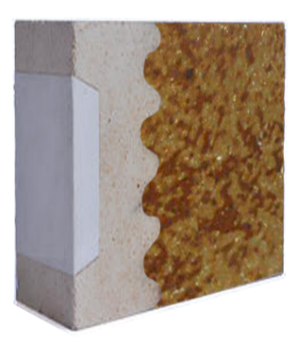
CAS-L is a patented, energy-efficient refractory brick developed by MRL. With a multi-layer composite design, this product combines superior abrasion resistance with excellent thermal insulation. It consists of a high-performance working layer and one or more insulating layers. The working layer features high-strength, low-thermal-conductivity silicon-mullite with outstanding resistance to erosion, thermal shock, and high-temperature deformation. The insulation layer(s), made of high-strength porous lightweight materials, significantly reduce thermal transmission and shell surface temperatures. Ideal for the transition zones of cement rotary kilns, the CAS-L series offers extended service life, reduced heat loss, and improved operational efficiency under fluctuating thermal loads. MRL provides multiple composite structures to suit varying kiln conditions within this series.
Application
- Cement Industry: Widely applied in the transition zone of rotary kilns, especially under high thermal load and AFR (alternative fuel/raw material) conditions, balancing durability and thermal insulation.
Cement
Description
- Multilayer structure for both strength and insulation
- Excellent thermal shock and chemical resistance
- Low thermal conductivity to reduce shell temperature
- Reliable under fluctuating thermal loads
CAS-L Series
Low Thermal Conductivity Silicon-Mullite Bricks (CEMAMAG CAS-L)
CAS-L is a patented, energy-efficient refractory brick developed by MRL. With a multi-layer composite design, this product combines superior abrasion resistance with excellent thermal insulation. It consists of a high-performance working layer and one or more insulating layers. The working layer features high-strength, low-thermal-conductivity silicon-mullite with outstanding resistance to erosion, thermal shock, and high-temperature deformation. The insulation layer(s), made of high-strength porous lightweight materials, significantly reduce thermal transmission and shell surface temperatures. Ideal for the transition zones of cement rotary kilns, the CAS-L series offers extended service life, reduced heat loss, and improved operational efficiency under fluctuating thermal loads. MRL provides multiple composite structures to suit varying kiln conditions within this series.
Application
- Cement Industry: Widely applied in the transition zone of rotary kilns, especially under high thermal load and AFR (alternative fuel/raw material) conditions, balancing durability and thermal insulation.
Cement
Description
- Multilayer structure for both strength and insulation
- Excellent thermal shock and chemical resistance
- Low thermal conductivity to reduce shell temperature
- Reliable under fluctuating thermal loads
CAS-L Series
Low Thermal Conductivity Silicon-Mullite Bricks (CEMAMAG CAS-L)
CAS-L is a patented, energy-efficient refractory brick developed by MRL. With a multi-layer composite design, this product combines superior abrasion resistance with excellent thermal insulation. It consists of a high-performance working layer and one or more insulating layers. The working layer features high-strength, low-thermal-conductivity silicon-mullite with outstanding resistance to erosion, thermal shock, and high-temperature deformation. The insulation layer(s), made of high-strength porous lightweight materials, significantly reduce thermal transmission and shell surface temperatures. Ideal for the transition zones of cement rotary kilns, the CAS-L series offers extended service life, reduced heat loss, and improved operational efficiency under fluctuating thermal loads. MRL provides multiple composite structures to suit varying kiln conditions within this series.
Application
- Cement Industry: Widely applied in the transition zone of rotary kilns, especially under high thermal load and AFR (alternative fuel/raw material) conditions, balancing durability and thermal insulation.
Cement
Description
- Multilayer structure for both strength and insulation
- Excellent thermal shock and chemical resistance
- Low thermal conductivity to reduce shell temperature
- Reliable under fluctuating thermal loads